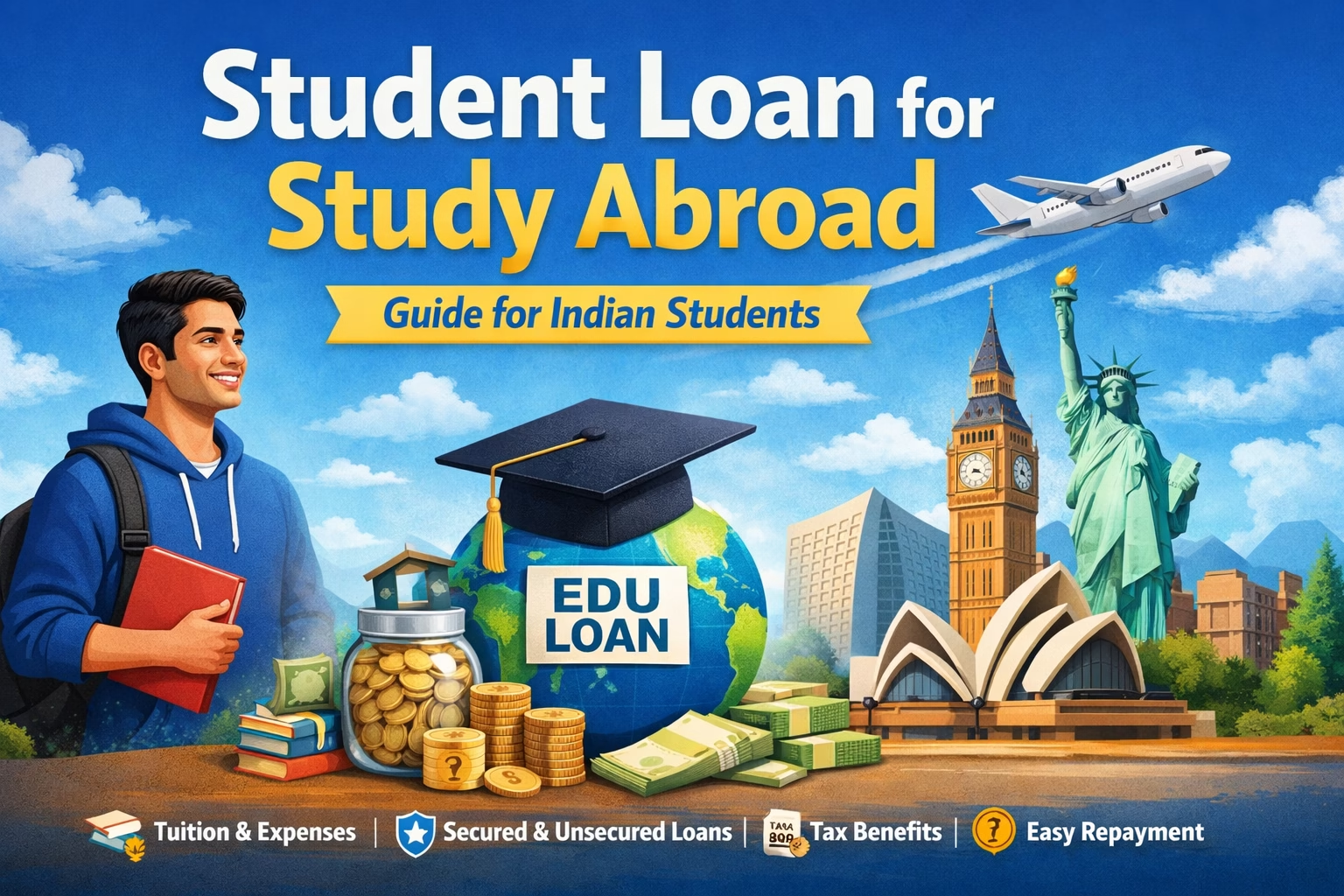
Student Loan for Study Abroad: Complete Guide for Indian Students
Studying abroad can cost anywhere between ₹20 lakhs to ₹1 crore, making financing a major concern for Indian students and parents. A student loan for study abroad not only makes global education accessible but also helps students invest in their future without financial stress. A student loan for study abroad helps bridge the financial gap by covering tuition fees, living expenses, travel costs, and more. With multiple banks and NBFCs offering education loans, choosing the right option becomes crucial.
This detailed guide explains everything you need to know about student loans for studying abroad — from types of loans and eligibility criteria to interest rates, tax benefits, and the step-by-step application process.
What Is a Education Loan for Study Abroad?
A education loan for study abroad is a financial product offered by Indian public banks, private banks, and NBFCs to help students pursue higher education overseas. These loans are designed to cover comprehensive education-related expenses and are repayable after course completion.
Depending on the lender and student profile, education loans can be availed as either secured loans (with collateral) or unsecured loans (without collateral).
Education Loan Requirement by Country
- USA / Canada / UK: ₹40–80 Lakhs commonly required
- Germany / Europe: ₹15–30 Lakhs
- Australia: ₹35–60 Lakhs
- NewZealand: ₹35–40 Lakhs
- Ireland: ₹10 Lakhs–50 Lakhs
- Dubai: ₹40 Lakhs–75 Lakhs
Types of Student Loans for Study Abroad
-
Secured Education Loans
Secured student loans require collateral such as residential property, land, fixed deposits, or insurance policies.
- Higher loan amount – up to ₹3 crore or more
- Lower interest rates compared to unsecured loans
- Longer repayment tenure
- Ideal for high-cost universities and countries like the USA, UK, Canada, and Australia
Popular lenders: SBI, Bank of Baroda, Punjab National Bank
-
Unsecured (Collateral-Free) Education Loans
Unsecured student loans do not require collateral and are approved based on:
- Student’s academic profile
- University ranking and course employability
- Co-applicant’s income and credit history
- Loan amount up to ₹75 lakhs – ₹1 crore
- Slightly higher interest rates
- Faster approval process
A Quick Comparison Table for Easy Reference
| Feature | Secured Loan | Unsecured Loan |
| Collateral | Required | Not required |
| Loan Amount | Up to ₹3 Cr | Up to ₹1 Cr |
| Interest Rate | Lower | Higher |
| Approval Speed | Slower | Faster |
Popular lenders: HDFC Credila, Avanse, Axis Bank, ICICI Bank
Expenses Covered Under a Student Loan for Study Abroad
Most education loans for abroad studies cover almost 90–95% of education-related expenses, reducing the need for personal savings and following expenses.
- Tuition fees and hostel accommodation
- Living expenses and food costs
- Airfare and travel expenses
- Books, study materials, and laboratory fees
- Laptop or computer purchase (as per bank norms)
- Examination and library fees
- Medical insurance premiums
- Caution deposit (within permissible limits)
Interest Rates & Tax Benefits
Interest Rates
The interest rate on a student loan for study abroad usually ranges between 9% to 12.5% per annum. Rates are generally floating and vary depending on:
- Type of loan (secured or unsecured)
- Lender policies
- Student and co-applicant profile
- University and course
Tax Benefits Under Section 80E
The interest paid on education loans is eligible for a tax deduction under Section 80E of the Income Tax Act for up to 8 consecutive years. There is no upper limit on the amount claimed.
Repayment Terms & Moratorium Period
Most lenders offer a moratorium period, during which the student is not required to repay EMIs.
- Moratorium = Course duration + 6 to 12 months
- Repayment starts after course completion or job placement (whichever is earlier)
- Total repayment tenure can go up to 15 years
Students can choose to pay simple interest during the moratorium to reduce the overall loan burden.
Eligibility Criteria for Student Loan for Study Abroad
- Student must be an Indian citizen
- Confirmed admission to a recognized foreign university
- Good academic background
- A co-applicant (parent, guardian, or blood relative) with stable income
- Co-applicant must have a bank account in India
How to Apply for a Student Loan for Study Abroad
Step 1: Research & Compare
Compare lenders based on interest rates, loan limits, processing fees, and repayment flexibility.
Step 2: Prepare Documents
- Admission letter from the university
- Academic records (10th, 12th, graduation)
- KYC documents
- Cost of study estimation
- Co-applicant income proof
Step 3: Apply Online or Offline
You can apply directly through banks or use the Vidya Lakshmi Portal, which allows a single application to be sent to multiple banks.
Step 4: Loan Approval & Disbursement
Once approved, the loan amount is disbursed directly to the university as per the fee schedule.
Tip: Apply at least 3–6 months before course commencement to avoid delays.
Best Banks & NBFCs for Student Loan for Study Abroad
- State Bank of India (SBI)
- Bank of Baroda (BOB)
- Punjab National Bank (PNB)
- HDFC Credila
- Avanse Financial Services
- Axis Bank
- ICICI Bank
Return on Investment (ROI)
Graduates from top international universities often earn ₹30–70 LPA depending on the country and course. Most students can recover their entire education loan within 2–4 years of employment abroad.
Frequently Asked Questions (FAQs)
Is collateral mandatory for a student loan for study abroad?
No. Collateral is required only for secured loans. Many NBFCs offer unsecured loans based on academic merit.
What is the maximum loan amount for studying abroad?
Secured loans can go up to ₹3 crore, while unsecured loans usually range between ₹75 lakhs to ₹1 crore.
Can I get a student loan without a co-applicant?
Most Indian lenders require a co-applicant. Some international lenders may waive this under special conditions.
Is education loan interest tax-free?
The interest paid is eligible for tax deduction under Section 80E for up to 8 years.
Quick Summary: A student loan for study abroad helps Indian students finance overseas education. Loans can be secured or unsecured, cover tuition and living costs, offer tax benefits under Section 80E, and include flexible repayment options.
Need Help Choosing the Right Education Loan?
Our experts help students compare lenders, prepare documents, and get faster loan approvals for study abroad.
👉 Contact us for a free education loan consultation.